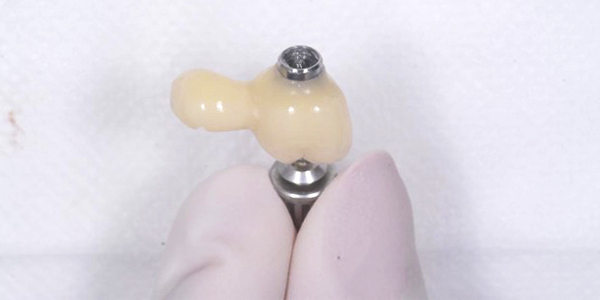
Dental implants have become the gold standard for replacing missing teeth, offering patients a long-term solution that restores both function and aesthetics. However, despite advances in implantology, complications can arise due to planning errors, surgical mistakes, or inadequate patient care. As a dentist, understanding these common pitfalls will help you optimize treatment outcomes and ensure patient satisfaction.
In this article, we will examine five common mistakes to avoid when placing a single dental implant, along with best practices for achieving predictable success.
1. Inadequate Case Selection and Treatment Planning
The foundation of a successful dental implant begins with proper case selection and thorough treatment planning. Failing to assess a patient’s systemic and oral health, bone quality, and occlusal dynamics can lead to complications such as implant failure or peri-implant disease.
Key Considerations:
- Medical and Dental History: Assess systemic conditions like diabetes, osteoporosis, and smoking habits, which can impair healing and osseointegration.
- Bone Assessment: Utilize CBCT imaging to evaluate bone volume, density, and anatomical structures (such as the maxillary sinus and inferior alveolar nerve).
- Occlusal Analysis: Plan for appropriate load distribution to prevent excessive forces on the implant.
- Patient Expectations: Ensure patients have realistic expectations regarding treatment duration, potential additional procedures (bone grafting, sinus lifts), and costs.
A comprehensive diagnostic and treatment plan reduces the risk of unexpected complications and enhances long-term success.
2. Poor Implant Positioning and Angulation
Incorrect implant positioning can compromise both function and aesthetics. Misangulated implants can lead to occlusal overload, bone loss, and difficulty in prosthetic restoration.
Common Errors:
- Buccal or Lingual Placement: Implants placed too far buccally can lead to gingival recession, while lingual placement may compromise prosthetic emergence.
- Insufficient Prosthetic Space: Failure to account for restorative space can result in an unesthetic or functionally compromised crown.
- Improper Angulation: Deviations in implant angulation can make prosthesis fabrication challenging and may require angulated abutments, increasing complexity.
Best Practices:
- Guided Surgery: Utilize digital planning and surgical guides to improve accuracy.
- Mock-Up and Wax-Up Analysis: Preoperative prosthetic planning ensures correct implant placement.
- Use of Parallel Pins: During osteotomy preparation, use alignment guides to verify angulation before final placement.
By focusing on proper positioning, you enhance the longevity of the implant and simplify prosthetic rehabilitation.
3. Neglecting Bone and Soft Tissue Management
Bone and soft tissue deficiencies can compromise implant stability and esthetics. Neglecting augmentation procedures when necessary can result in implant exposure, inadequate soft tissue coverage, and long-term complications.
Common Issues:
Insufficient Bone Volume: Leads to inadequate osseointegration and increased risk of implant failure.
Soft Tissue Recession: Affects esthetic outcomes, especially in the anterior region.
Lack of Primary Stability: Inadequate initial stability may lead to micromovement and failed osseointegration.
Solutions:
- Bone Grafting: If CBCT reveals insufficient bone, perform GBR (guided bone regeneration) or ridge augmentation before implant placement.
- Soft Tissue Augmentation: Connective tissue grafting can improve gingival volume and contour.
- Implant Selection: Choose an implant with appropriate diameter and length to maximize bone contact and stability.
A proactive approach to bone and soft tissue management significantly improves esthetic and functional outcomes.
4. Inadequate Postoperative
Care and Follow-Up
The healing phase is just as critical as the surgical procedure itself. Poor post-op care or lack of patient compliance can lead to infection, peri-implantitis, or implant failure.
Postoperative Risk Factors:
Smoking: Reduces vascularization, impairing healing.
Poor Oral Hygiene: Leads to bacterial accumulation and peri-implant mucositis.
Premature Loading: Placing stress on the implant before osseointegration increases the likelihood of failure.
Post-Op Guidelines for Patients:
- Maintain meticulous oral hygiene with non-abrasive cleaning techniques.
- Avoid excessive occlusal forces on the implant site.
- Follow up regularly for professional cleanings and monitoring.
- Educate patients about early signs of complications, such as pain, swelling, or mobility.
Regular follow-ups allow early detection of issues and timely intervention, improving implant longevity.
5. Underestimating the Role of Maintenance and Long-Term Care
Even after successful osseointegration, implants require lifelong maintenance. Many cases of late-stage implant failure stem from neglecting long-term care.
Long-Term Risk Factors:
- Peri-implantitis: Bacterial infection leading to bone loss around the implant.
- Mechanical Complications: Abutment screw loosening, prosthetic fractures.
- Occlusal Overload: Excessive force distribution can lead to implant failure.
Maintenance Protocols:
- Regular Professional Cleanings: Recommend specialized implant maintenance instruments to prevent surface damage.
- Customized Occlusal Guards: For bruxism patients, a night guard can help prevent excessive stress on the implant.
Routine Radiographic - Evaluations: Annual CBCT or periapical radiographs can monitor bone levels and detect early signs of pathology.
By emphasizing ongoing maintenance, you can help patients preserve their implants for decades.
Conclusion
Single dental implants offer an excellent long-term solution for tooth replacement, but their success relies on meticulous planning, precise placement, and comprehensive aftercare. By avoiding these common mistakes—failing to plan adequately, incorrect positioning, neglecting bone and soft tissue health, poor postoperative care, and underestimating maintenance—you can enhance treatment outcomes and patient satisfaction.
As a dentist, refining your implantology approach through continued education, digital technology integration, and personalized patient management will set the foundation for successful, long-lasting implants.
Key Takeaway: Every stage of implant treatment, from diagnosis to maintenance, plays a crucial role in achieving predictable and sustainable results. By staying informed and adopting best practices, you can elevate your implant success rates and provide exceptional patient care.