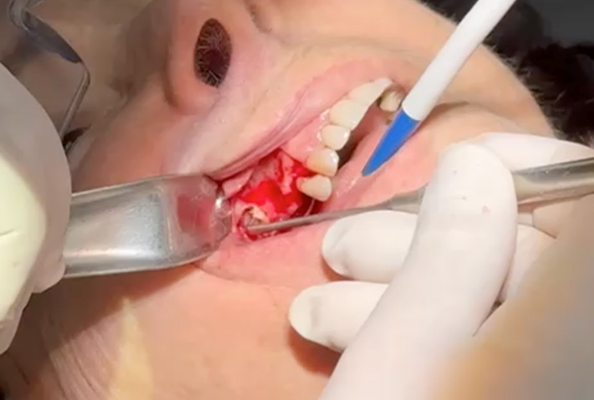
Sinus lift surgery, or sinus augmentation, is a well-established and highly effective procedure in dental implantology. It is commonly performed when there is inadequate bone volume in the posterior maxilla to support dental implants, typically due to bone resorption or the natural expansion of the maxillary sinus. While the sinus lift procedure has a high success rate, complications can still arise, which may lead to delays in implant placement or, in more severe cases, graft failure.
As with any surgical procedure, understanding the potential complications associated with sinus lifts and how to prevent them is critical for ensuring optimal outcomes. This article explores the most common complications associated with sinus lift surgery, discusses their causes, and provides best practices for avoiding or managing these complications.
1. Common Complications of Sinus Lift Surgery
A. Sinus Membrane Perforation
One of the most frequent complications during sinus lift surgery is sinus membrane perforation. The Schneiderian membrane is thin and delicate, and can be torn or punctured during elevation or manipulation of the sinus cavity.
Causes:
- Excessive force during membrane elevation
- Inexperience with surgical technique
- Anatomical variations (e.g., thin membranes)
Consequences:
- Graft contamination and potential infection
- Delayed healing or impaired bone regeneration
- Need for revision surgery
B. Infection
Infection can affect both the graft site and the sinus cavity, due to bacterial contamination during or after the procedure.
Causes:
- Poor sterile technique
- Membrane perforation allowing bacterial entry
- Non-compliance with postoperative care
Consequences:
- Delayed healing
- Bone graft failure
- Potential spread of infection systemically
C. Graft Failure
When the bone graft does not integrate with the native bone, or becomes compromised, graft failure may occur.
Causes:
- Poor graft material selection
- Membrane perforation
- Infection
Consequences:
- Need for additional surgery
- Delayed implant placement
- Extended treatment time and costs
D. Sinusitis
Sinusitis, or inflammation of the sinus, may result from the surgery itself or from post-op complications.
Causes:
- Infection
- Sinus lining trauma
- Poor healing or membrane damage
Consequences:
- Pain and nasal congestion
- Facial discomfort and pressure
- Prolonged recovery
2. Strategies to Avoid Sinus Lift Complications
A. Preventing Sinus Membrane Perforation
- Use specialized instruments (e.g., sinus elevators, osteotomes)
- Perform slow, controlled elevation of the membrane
- Gain adequate training and experience
- Conduct preoperative imaging (e.g., CBCT) to assess membrane thickness and sinus anatomy
B. Minimizing the Risk of Infection
- Maintain a strict sterile field
- Prescribe prophylactic antibiotics
- Emphasize postoperative instructions (no nose blowing, sneezing control)
- Schedule follow-up appointments to monitor healing
C. Graft Material Selection and Proper Handling
- Choose osteoconductive and/or osteoinductive graft materials (autografts, allografts, xenografts)
- Handle materials with sterility and care
- Avoid overpacking the graft site, ensuring proper vascularization and space for regeneration
D. Management of Sinusitis and Postoperative Complications
- Ensure adequate drainage of the sinus
- Recommend nasal sprays or decongestants as appropriate
- Closely monitor for early signs of inflammation or infection
- Address any symptoms promptly and conservatively
3. Conclusion
Sinus lift surgery is a cornerstone procedure in the rehabilitation of patients who lack sufficient bone volume in the posterior maxilla for dental implants. Though highly effective, it comes with risks that, if not properly managed, can compromise the entire implant treatment.
By understanding the root causes of complications such as membrane perforation, infection, graft failure, and sinusitis, clinicians can proactively implement strategies to prevent them. Adhering to evidence-based techniques, using high-quality graft materials, maintaining a sterile surgical field, and ensuring comprehensive postoperative care are key components of long-term success.
With diligence and expertise, complications can be minimized—ensuring safe, predictable outcomes and enhancing the overall success rate of implant-supported restorations in complex anatomical areas.