Sinus lift surgery, also known as sinus augmentation, is a vital procedure in dental implantology. It is performed when there is insufficient bone volume in the posterior maxilla to support dental implants, often due to the natural anatomy of the sinus or bone loss following tooth extraction. The goal of a sinus lift is to create enough bone in the sinus cavity to support implants, ultimately allowing for successful prosthetic rehabilitation.
The sinus lift procedure involves elevating the sinus membrane and placing bone graft material into the sinus floor to promote bone regeneration. Given the complexity of the procedure and the unique challenges posed by the maxillary sinus anatomy, understanding the indications, techniques, and best practices is crucial for achieving optimal outcomes and minimizing complications.
1. Indications for Sinus Lift Surgery
Sinus lift surgery is generally indicated in cases where the posterior maxilla exhibits insufficient bone height for the successful placement of dental implants. Various factors contribute to the need for this procedure:
- Bone Loss Due to Tooth Extraction: Following the loss of teeth—particularly in the molar or premolar regions of the upper jaw—the bone may undergo significant resorption. This is especially true in the posterior maxilla, where the sinuses are relatively large and can expand into areas where bone loss has occurred.
- Sinus Enlargement: In some cases, the maxillary sinus may naturally enlarge over time, reducing the available bone volume for implants. This can be exacerbated by age, chronic sinus infections, or inflammation.
- Congenital Defects: Some patients may have a naturally reduced bone height in the posterior maxilla due to genetic factors or developmental anomalies. A sinus lift can address these anatomical issues.
- Bone Deficiency Following Trauma or Disease: Trauma to the maxilla or diseases like periodontitis or osteomyelitis can lead to bone loss, compromising implant placement in the posterior maxilla.
In any of these cases, sinus lift surgery is an effective way to augment the bone and restore adequate volume for proper dental implant placement.
2. Types of Sinus Lift Procedures
There are two main types of sinus lift procedures: the lateral window technique and the crestal technique. Both aim to elevate the sinus membrane and introduce bone graft material into the sinus cavity, but they differ in their approach and complexity.
A. Lateral Window Technique
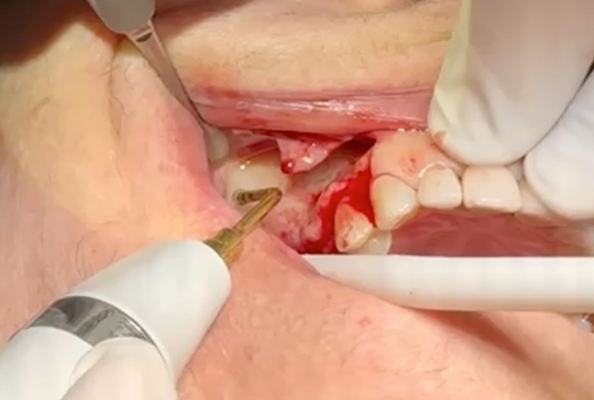
The lateral window technique, also known as the traditional sinus lift, is the most commonly used approach. It involves creating a small window in the lateral wall of the maxillary sinus to access the sinus cavity directly.
Steps Involved in the Lateral Window Technique:
- Incision: An incision is made in the gum tissue near the upper molars or premolars.
- Flap Elevation: The soft tissue is elevated to expose the bone of the maxilla.
- Creation of a Window: A small, circular or oval window is drilled into the lateral wall of the sinus.
- Membrane Elevation: The Schneiderian membrane is gently elevated, either manually or with the aid of specialized instruments.
- Bone Grafting: Bone graft material is placed into the sinus cavity to encourage new bone formation.
- Closure: The incision is closed with sutures, and the grafted area is allowed to heal.
Indications for Lateral Window Technique:
- Significant bone loss in the posterior maxilla.
- Large sinus cavities or need for extensive sinus floor augmentation.
- More predictable in cases requiring substantial bone grafting.
B. Crestal Technique (Also Known as the Osteotome Technique)
The crestal technique is less invasive than the lateral approach and is typically used in cases requiring only modest bone augmentation. It involves accessing the sinus from the crest of the alveolar ridge rather than through the lateral wall.
Steps Involved in the Crestal Technique:
- Incision and Flap Elevation: A small incision is made in the gingiva, and a flap is raised to expose the ridge.
- Drilling: A hole is drilled into the crest near the sinus floor.
- Sinus Membrane Elevation: Using osteotomes or a balloon catheter, the membrane is gently elevated.
- Implant Placement: In some cases, the implant can be placed immediately. In others, it is delayed until after healing.
- Closure: The tissue is sutured, and healing begins.
Indications for the Crestal Technique:
- Moderate bone loss in the posterior maxilla.
- Sinus floor located within 5–6 mm of the ridge.
- Less invasive with shorter recovery.
3. Bone Graft Materials for Sinus Lift Surgery
The choice of bone graft material is critical to the success of sinus lift surgery. Available options include:
- Autografts (Autologous Bone): Harvested from the patient’s own body, offering excellent osteogenic potential, but requiring a second surgical site.
- Allografts: Donor bone from human sources, processed to eliminate immunogenicity. These are osteoconductive and often used in clinical practice.
- Xenografts: Bone from other species, typically bovine. They are biocompatible and osteoconductive, often used for volume maintenance.
- Synthetic Bone Grafts (Alloplasts): Man-made materials like hydroxyapatite or calcium phosphate, offering predictable resorption and structural support.
- Demineralized Bone Matrix (DBM): Processed bone that exposes growth factors, providing both osteoconductive and osteoinductive properties.
Often, clinicians use a combination of graft materials to take advantage of the unique benefits each offers.
4. Best Practices for Sinus Lift Surgery
To ensure successful outcomes, follow these best practices:
- Preoperative Evaluation: Use CBCT scans to assess sinus anatomy, bone height, and potential complications.
- Aseptic Technique: Maintain strict sterility during the procedure to reduce the risk of infection.
- Gentle Membrane Elevation: Avoid perforating the delicate sinus membrane; if perforation occurs, repair it immediately.
- Appropriate Graft Selection: Tailor the graft type and volume to the specific case, potentially combining materials for optimal results.
- Comprehensive Postoperative Care: Provide instructions such as avoiding nose blowing, and prescribe antibiotics and pain relievers. Monitor healing through regular follow-ups.
5. Potential Complications and How to Manage Them
Even with careful planning, complications may occur:
- Sinus Perforation: The most frequent complication. Requires immediate membrane repair and may delay implant placement.
- Infection: Can arise in the sinus or graft area. Prompt antibiotic treatment and patient hygiene are essential.
- Graft Failure: May result from infection, poor vascularity, or inadequate graft materials. Requires revision if healing is unsuccessful.
- Sinusitis: Post-surgical inflammation may develop, often managed with decongestants, antibiotics, or corticosteroids as needed.
Conclusion
Sinus lift surgery plays a pivotal role in modern dental implantology, particularly in the posterior maxilla where bone volume is often insufficient for implant placement. When performed with precision and proper planning, this procedure significantly enhances the success rate of implants in previously unsuitable sites.
By understanding the indications, selecting the appropriate technique and graft material, and adhering to established best practices, clinicians can minimize complications and deliver predictable, long-lasting outcomes for their patients. As implant dentistry continues to evolve, sinus lift procedures will remain a foundational element in achieving functional and esthetic success.