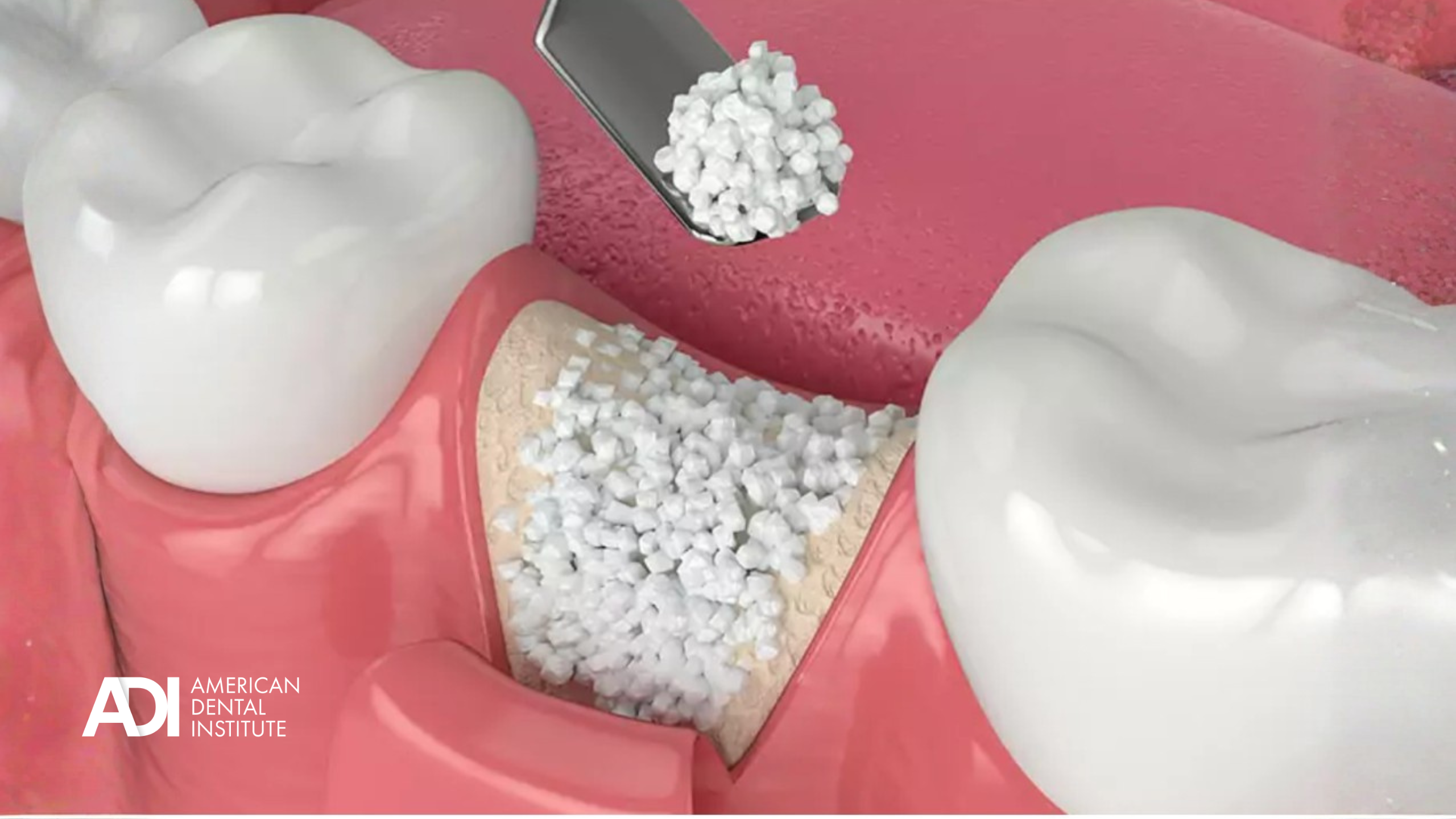
When faced with a narrow ridge, should you expand the bone or graft it? This question is central to many implant treatment plans. While both techniques aim to optimize implant stability and long-term success, knowing when to use each can save time, reduce complications, and enhance patient outcomes.
- Understanding Bone Expansion
Bone expansion (ridge splitting or expansion osteotomy) is ideal when the ridge has adequate height but limited width—usually 3 to 5 mm bucco-lingually. This technique gradually widens the ridge, preserving the patient’s native bone and reducing surgical time and morbidity.When to consider bone expansion:
– Ridge width: 3–5 mm
– Good bone quality (ideally D2–D3)
– No vertical defect
– Immediate implant placement planned
– Patient preference for minimally invasive treatment - Understanding Bone Grafting
Bone grafting is necessary when the ridge lacks sufficient volume or quality—especially in cases of severe horizontal and/or vertical atrophy. This technique allows for full regeneration but requires longer healing and a staged approach.When to consider bone grafting:
– Ridge width <3 mm or severe atrophy
– Vertical deficiency present
– Poor bone quality
– Need for contour augmentation
– Prior failed implant or trauma site - Decision Factors at a Glance
Comparison table:
| Factor | Bone Expansion | Bone Grafting |
| Ridge Width | 3–5 mm | <3 mm or combined defects |
| Bone Quality | D2–D3 (medium-density) | D4 or compromised sites |
| Time to Implant | Often immediate | Usually delayed (4–6 months) |
| Invasiveness | Minimally invasive | More invasive |
| Healing Time | Shorter | Longer |
Final Thought
Both techniques have their place in modern implantology. The key is case selection—understanding the anatomy, patient expectations, and long-term goals. At ADI, we help dentists master both approaches with hands-on experience and real-world planning strategies.
References
- Summers, R. B. (1994). A new concept in maxillary implant surgery: The osteotome technique. Compendium of Continuing Education in Dentistry, 15(2), 152–162.
- Misch, C. E. (2014). Dental Implant Prosthetics (2nd ed.). Elsevier.
- Aghaloo, T. L., & Moy, P. K. (2007). Which hard tissue augmentation techniques are the most successful in furnishing bony support for implant placement? The International Journal of Oral & Maxillofacial Implants, 22(Suppl), 49–70.
- Jensen, O. T., et al. (2009). Vertical Guided Bone Regeneration for Implant Placement in the Posterior Maxilla: A Controlled Clinical Trial. The Journal of Oral and Maxillofacial Surgery, 67(3), 692–700.
- Chiapasco, M., Casentini, P., & Zaniboni, M. (2009). Bone augmentation procedures in implant dentistry. The International Journal of Oral & Maxillofacial Implants, 24(Suppl), 237–259.