Abstract
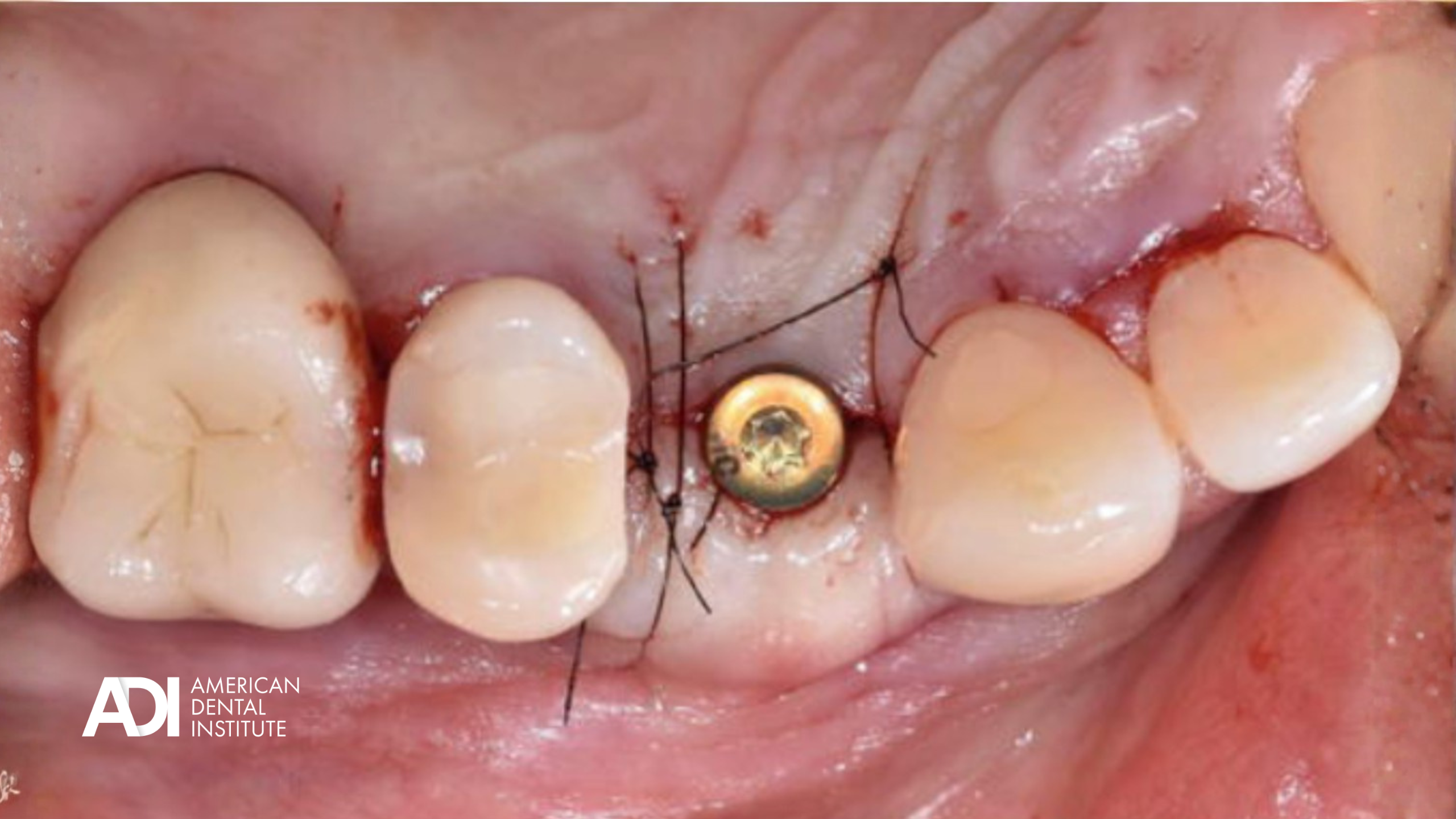
Peri-implant soft tissue management plays a crucial role in the long-term success and esthetic outcomes of dental implants. Among the available techniques, the use of connective tissue grafts (CTGs) has gained widespread attention for improving mucosal thickness and achieving soft tissue stability around implants. This paper discusses the clinical indications, biological rationale, and current perspectives on the role of CTGs in enhancing both the function and esthetics of implant-supported restorations.
Introduction
The integration of dental implants extends beyond osseointegration. Today, achieving healthy, stable, and esthetically pleasing peri-implant soft tissues is a cornerstone of modern implantology. Thin biotypes, lack of keratinized mucosa, and mucosal recession pose challenges to clinicians, especially in the anterior maxilla. Connective tissue grafts offer a predictable solution to improve soft tissue volume, minimize recession, and enhance esthetic blending.
Benefits of Connective Tissue Grafts Around Implants
- Increased Mucosal Thickness
Thicker peri-implant mucosa contributes to improved resistance to trauma, better tissue sealing, and reduced risk of mucosal recession over time.
- Esthetic Enhancement
In esthetic zones, CTGs help create natural-looking contours and symmetry by thickening and shaping the soft tissue around the implant crown. This improves the emergence profile and smile harmony.
- Improved Long-Term Stability
Clinical studies show that implants with CTG augmentation have lower rates of midfacial recession and better soft tissue levels over time compared to non-augmented sites.
- Management of Deficiencies
CTGs are valuable in correcting buccal soft tissue deficiencies, particularly after immediate implant placement or in cases with pre-existing ridge defects.
Clinical Considerations
Timing and technique are critical. CTGs may be placed at the time of implant insertion, during second-stage surgery, or even in a staged approach depending on soft tissue conditions. Donor sites (typically the palate) and harvesting techniques (e.g., trap door, single incision) must balance graft quality with patient comfort.
Surgical precision and proper flap design are essential to avoid flap tension and ensure graft integration. Microscopic techniques and low-trauma instrumentation have improved predictability and reduced postoperative discomfort.
Conclusion
Connective tissue grafts have become an essential tool in achieving functional and esthetic success in implant dentistry. Their ability to enhance soft tissue volume, prevent recession, and harmonize the peri-implant mucosa makes them a cornerstone in modern surgical protocols. Clinicians should evaluate biotype, implant position, and patient expectations to determine the appropriate use of CTGs in their surgical planning.